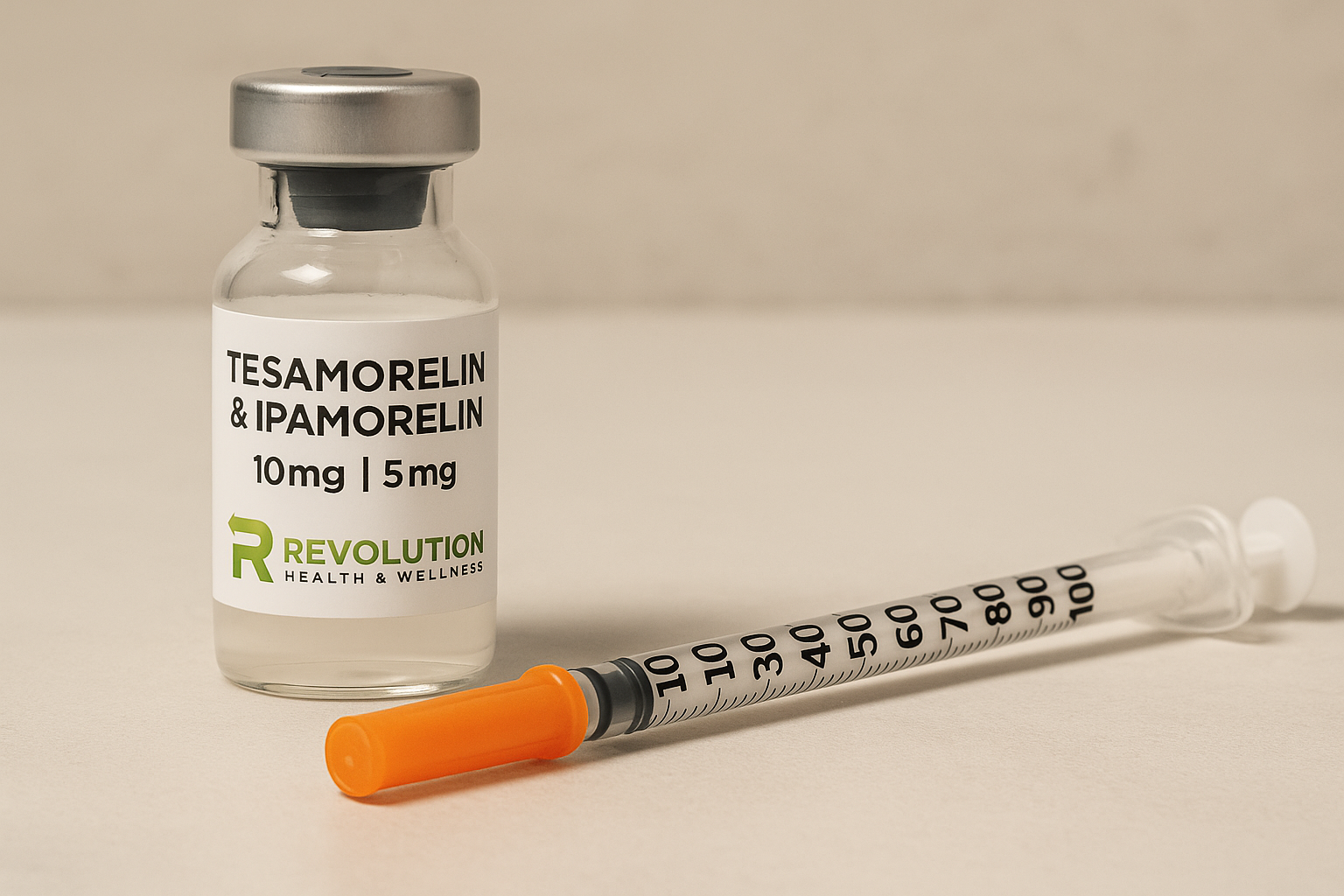
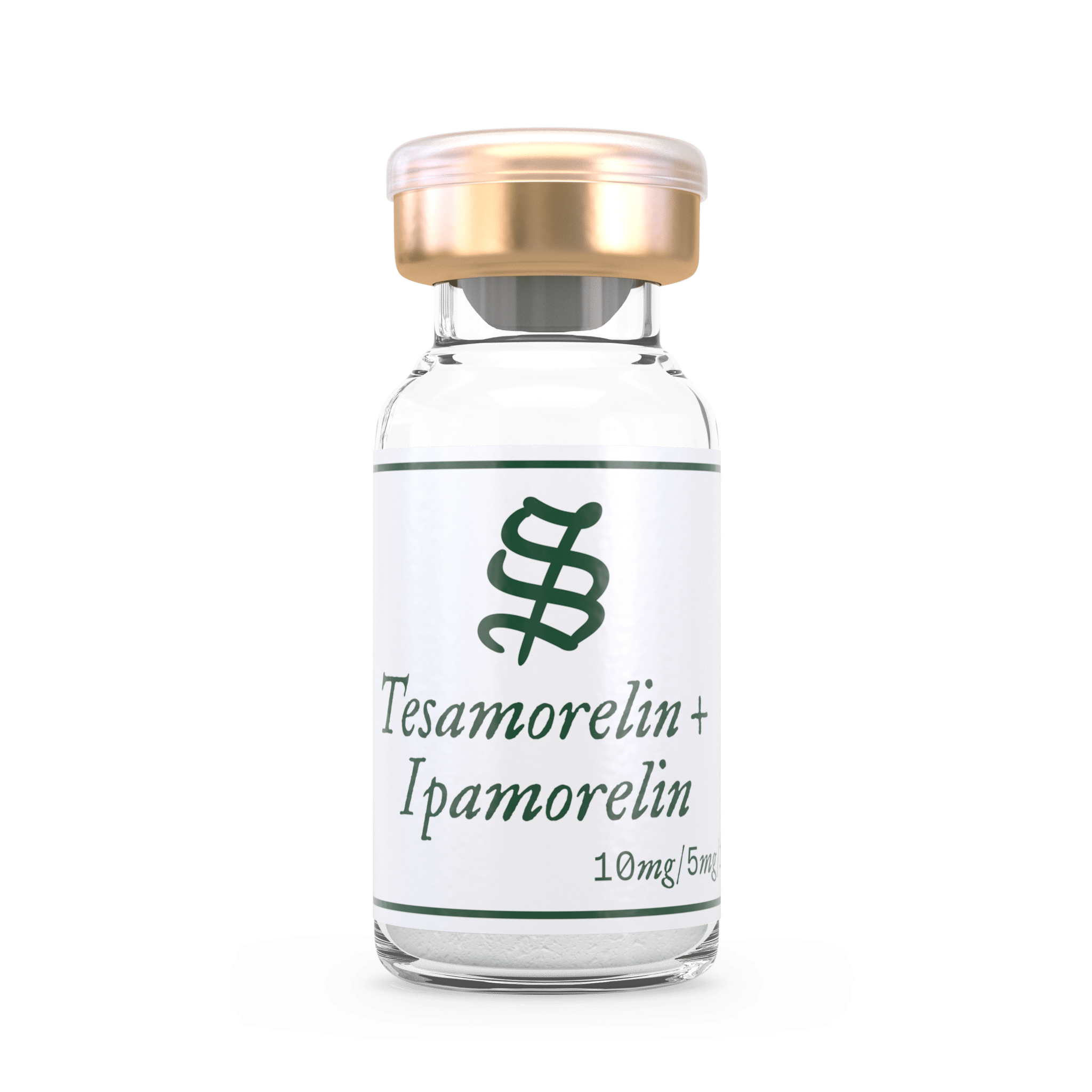
BODY COMPOSITION AND METABOLISM Lean Muscle Mass Aging Models Increase in lean body mass: 4-8% after 12 weeks (aged rats) Muscle protein synthesis: increase of 2535% (fractional MPS synthesis rate) IGF-1 expression in muscle: local upregulation 180% Fiber diameter: Type II increment 15-20% Strength: 20-30% improvement in grip strength tests Anabolic Mechanisms mTOR Activation: S6K1, 4E-BP1 Phosphorylation Ribosomal synthesis: increased translational capacity Satellite cells: activation and myogenic differentiation Catabolism reduction: ubiquitin-proteasome inhibition Body Fat Reduction Visceral fat loss: 1525% (16-week studies) Lipolysis: activation of hormone-sensitive lipase (HSL) Fatty acid oxidation: increased mitochondrial -oxidation 40% Thermogenesis: Upregulation of UCP-1 in Brown Adipose Tissue Lean-to-fat mass ratio: improvement of 3040% Insulin Sensitivity HOMA-IR: 25% improvement (homeostatic model assessment) Glucose uptake: increase in muscle GLUT-4 35% Insulin signaling: IRS-1 phosphorylation, Akt Adiponectin: increased circulating levels 50% 2

Huek Turkovi A, Matovinovi M, una K, kara L, Kazazi S, Baun-Druina V, Durgo K
As interest in peptide research continues to expand, compounds like the ipamorelin research peptide are frequently examined for their role in receptor-mediated biological signaling
Cagrilintide versus semaglutide Semaglutide has more extensive clinical data, FDA approval for obesity, and wider availability
Prophylactic neuroprotective property of Centella asiatica against 3-nitropropionic acid induced oxidative stress and mitochondrial dysfunctions in brain regions of prepubertal mice