Vial size and reconstitution volume together determine the final concentration, which determines the syringe volume for each target dose
If youre using this type, you might maintain good levels with just 0.3mL weekly while others need 0.5mL of different types
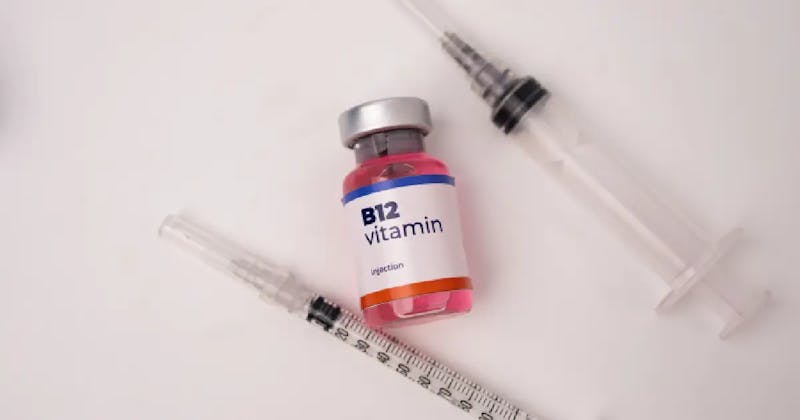
ICD-10 Codes for other nutritional anemias: D53 D53.0 Protein deficiency anemia D53.1 Other megaloblastic anemias, not elsewhere classified D53.2 Scorbutic anemia D53.8 Other specified nutritional anemias D53.9 Nutritional anemia, unspecified Hemolytic Anemia In the medical world, hemolytic anemia is a condition where red blood cells diminish quicker than they are replaced by healthy red blood cells
The goal of treatment revolves around reducing pain and discomfort, as well as slowing down and/or preventing progression of the disease

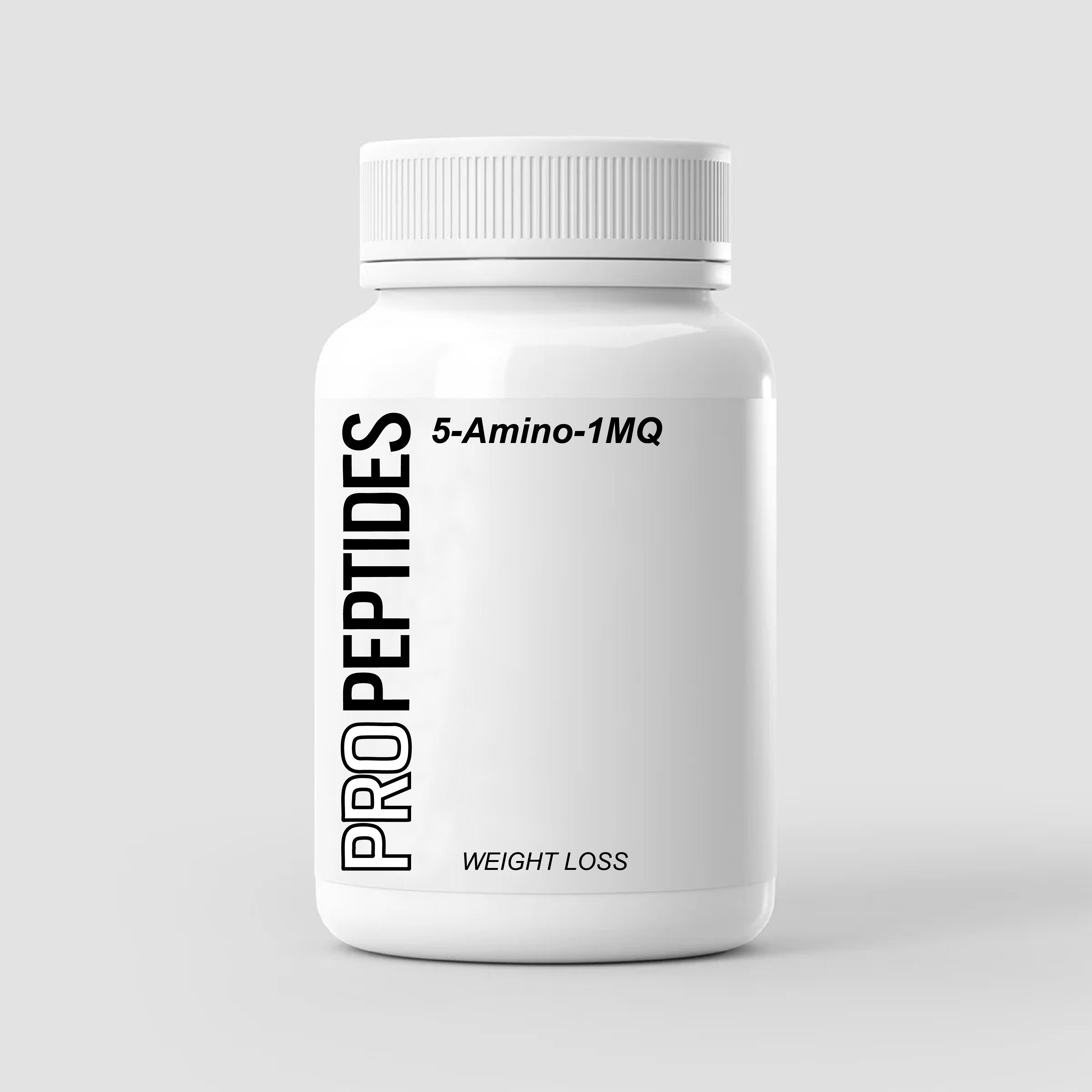
Advantages and Limitations of 5-Amino-1MQ Peptide Therapy Boosts fat metabolism Enhances natural energy production Supports weight management efforts Promotes lean muscle development Improves body composition Improves blood sugar balance Reduces signs of fatigue Temporary nausea and headache may occur for a few hours after taking the medicine 5-Amino-1MQ Peptide Therapy Preparation Inform doctor for any allergies or medical conditions Avoid any alcohol consumption and caffeine at least 2 days before taking the medicine Maintain a stable and balanced diet at least 1 week before taking the medicine 5-Amino-1MQ Peptide Therapy Post Care Patients can resume normal activities after taking the medication Monitor for side effects such as nausea or headache, during the first few hours, and report any concerns or unusual symptoms to the doctor Maintain a healthy diet and lifestyle after taking the medication FAQ Q1: Is 5-Amino-1MQ Peptide Therapy safe