Vol. XVIII · Free shipping $75+ · Read the collection
Feature · Product Review
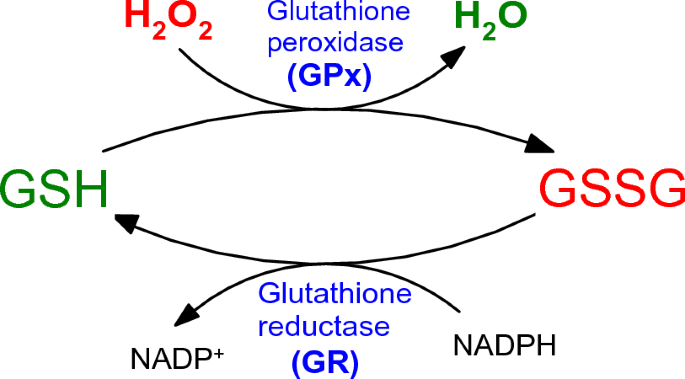
oxygen dependent intracellular killing ros production glutathione

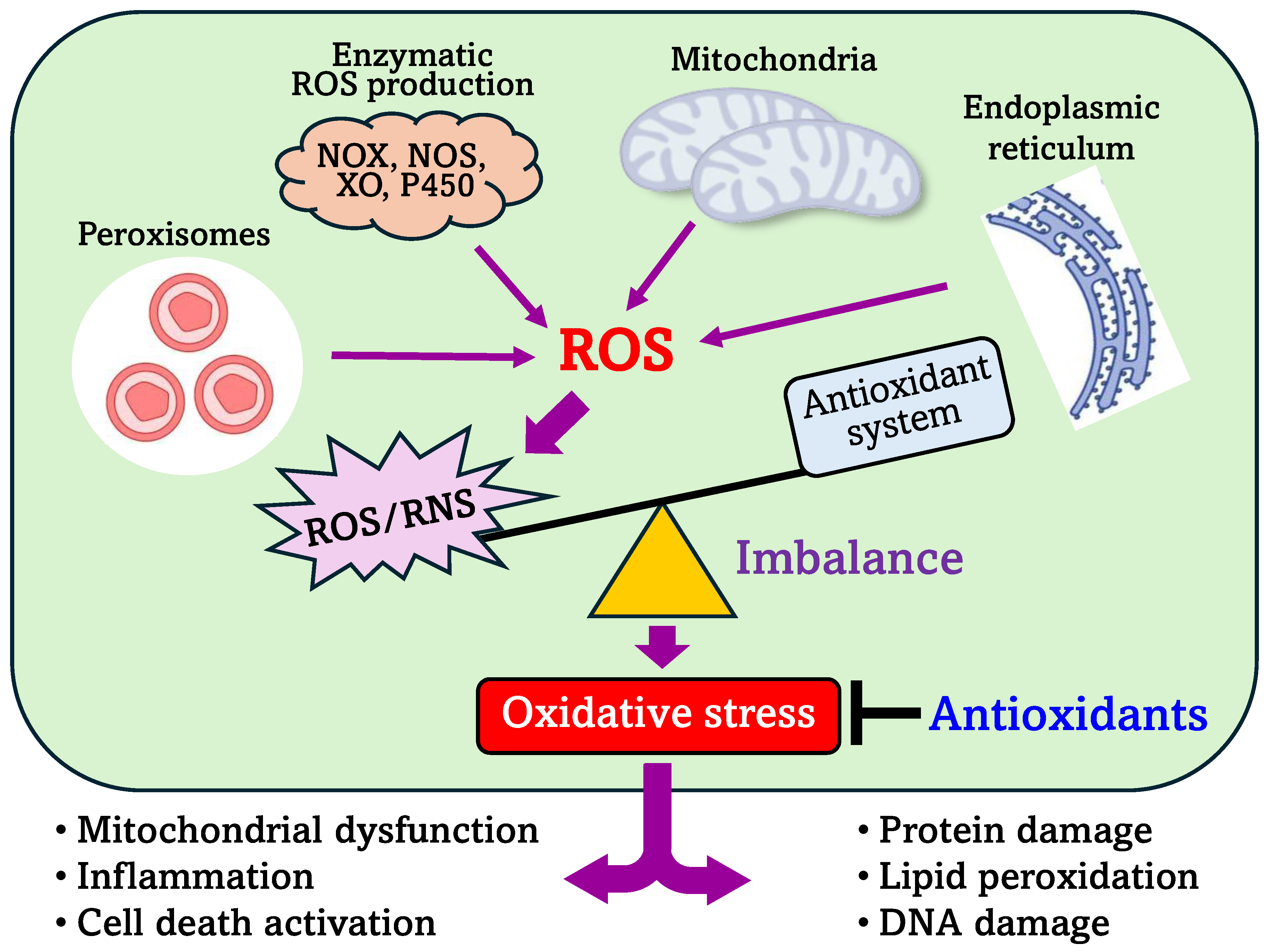
oxygen dependent intracellular killing ros production glutathione Cellular and Antioxidants: Physiological and Pathological Role Reactive oxygen species (ROS) scavenging

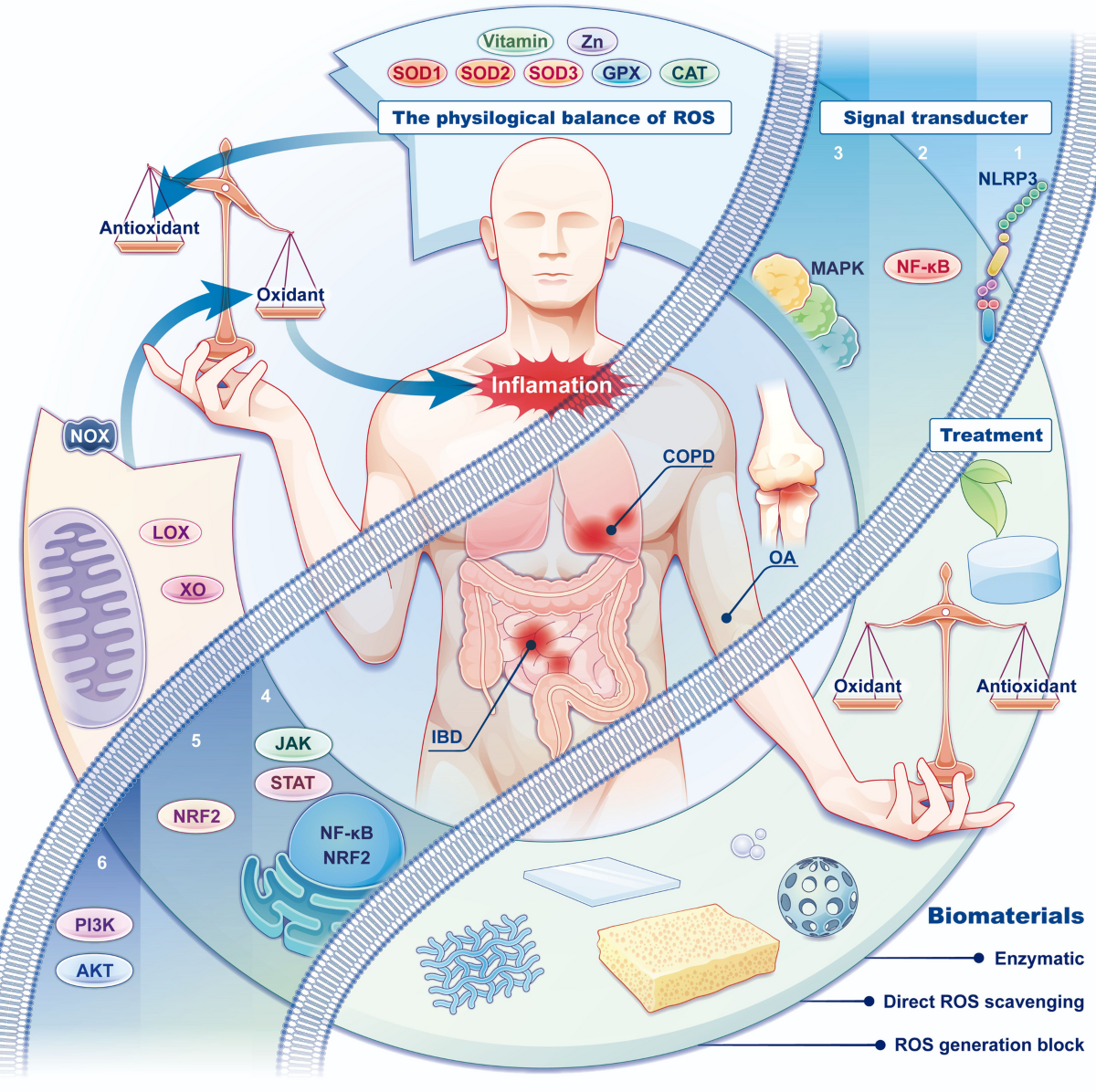
Reactive oxygen species (ROS) scavenging biomaterials for anti inflammatory diseases: from mechanism to therapy Journal of Hematology & Oncology Springer Nature Link Reactive Oxygen Species: Involvement in T Cell Signaling and Metabolism: Trends in Immunology Reactive oxygen species, toxicity, oxidative stress, and antioxidants: chronic diseases and aging Archives of Toxicology Springer Nature Link NOX like ROS production by glutathione reductase: iScience Reactive oxygen species: Janus faced molecules in the era of modern cancer therapy Journal for ImmunoTherapy of Cancer

SKU: 8017265992 · From uqtrucking.com

4.8
USD29.82 USD55.82

Pay in 4 interest-free payments of $7.46 Learn more

Shipping Estimate
USA
  • USA
  • CAN

Ships within 48 hours · Estimated delivery Aug 1 - Aug 6
Description

Role of CAR T cell metabolism for therapeutic efficacy

oxygen dependent intracellular killing ros production glutathione Cellular and Antioxidants: Physiological and Pathological Role Reactive oxygen species (ROS) scavenging

Eosinophils in helminth infection: defenders and dupes

oxygen dependent intracellular killing ros production glutathione Cellular and Antioxidants: Physiological and Pathological Role Reactive oxygen species (ROS) scavenging

Heather Smith-Fernandez: Improving the condition of our mitochondria and improving efficient output of cellular energy has widespread effects, and in some cases, these effects are palpable (we actually feel more energy, more focus, less pain, more endurance)

oxygen dependent intracellular killing ros production glutathione Cellular and Antioxidants: Physiological and Pathological Role Reactive oxygen species (ROS) scavenging

2012;84:e525-31

oxygen dependent intracellular killing ros production glutathione Cellular and Antioxidants: Physiological and Pathological Role Reactive oxygen species (ROS) scavenging

Indeed, a study revealed that the methionine 35 residue is key to the oxidative stress and neurotoxic properties of this protein [28,29]

oxygen dependent intracellular killing ros production glutathione Cellular and Antioxidants: Physiological and Pathological Role Reactive oxygen species (ROS) scavenging
Exchange/Return Notes
  • We offer a 30-day return/exchange service after receiving.
  • Final sale items are not eligible for returns or exchanges.
  • To process your return/exchange, please contact us at [email protected]
  • Please click here for more details>>> Return & Exchange Policy

You may also like

recommand products