Essential role of Nrf2 in the protective effect of lipoic acid against lipoapoptosis in hepatocytes

Major Ingredients Water, Glycerin, Dipropylene Glycol, Propanediol, Hippophae Rhamnoides Water, Caprylic/Capric Triglyceride, PPG-13-Decyltetradeceth-24, Hydroxyacetophenone, Caprylyl Glycol, Carbomer, Tromethamine, Hydrogenated Lecithin, Glutathione(600 ppm), Cetearyl Alcohol, 1,2-Hexanediol, Disodium EDTA, Stearic Acid, Dipotassium Glycyrrhizate, Terminalia Ferdinandiana Fruit Extract, Butylene Glycol, Lecithin, Pentylene Glycol, Acetyl Glutamine, Sodium Hyaluronate, Polyglyceryl-10 Stearate, Panthenol, Folic Acid, Bacillus/Soybean Ferment Extract, Oligopeptide-1, Hexapeptide-11, Oligopeptide-2, Oligopeptide-3, Sodium Ascorbyl Phosphate, Hydrolyzed Pea Protein, Madecassoside, Phytosterols, Squalane, Olea Europaea (Olive) Fruit Oil, Tocopherol, Niacinamide, Hyaluronic Acid, Hydrolyzed Hyaluronic Acid, Hydroxypropyltrimonium Hyaluronate, Hydrolyzed Sodium Hyaluronate, Potassium Hyaluronate, Ceramide NP, Butyrospermum Parkii (Shea) Butter, Ethylhexylglycerin, Biotin, Sodium Hyaluronate Crosspolymer, Pyridoxine, Cyanocobalamin, Riboflavin, Thiamine HCl, Retinol, Bioflavonoids, Sodium Acetylated Hyaluronate, Menadione, Acetyl Hexapeptide-8, Copper Tripeptide-1, Palmitoyl Pentapeptide-4, Linoleic Acid, Beta-Carotene, Fragrance Ingredients subject to change at manufacturer's discretion

Ipe et al., 2020)
Ammonia is toxic and can therefore limit the survivability of some microorganisms, while selecting for those microorganisms that can use ammonia as electron donors and utilize it as an energy source
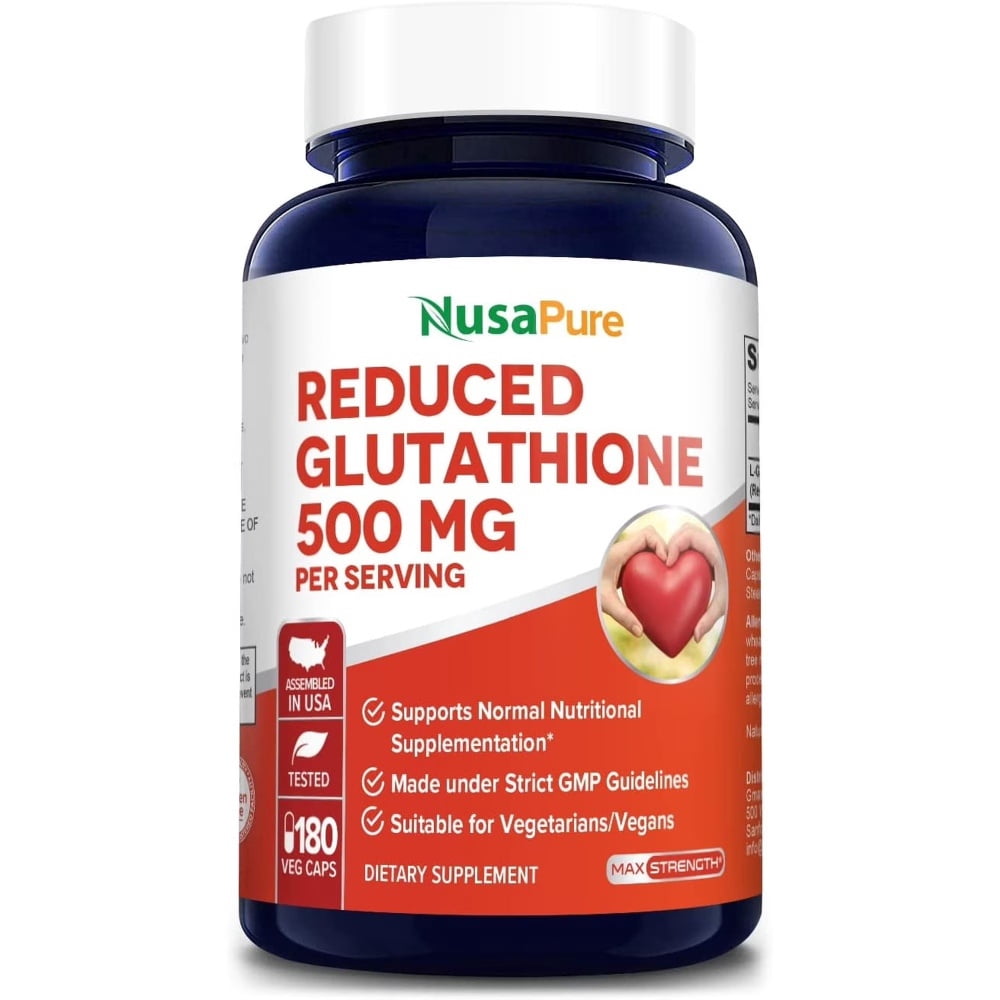
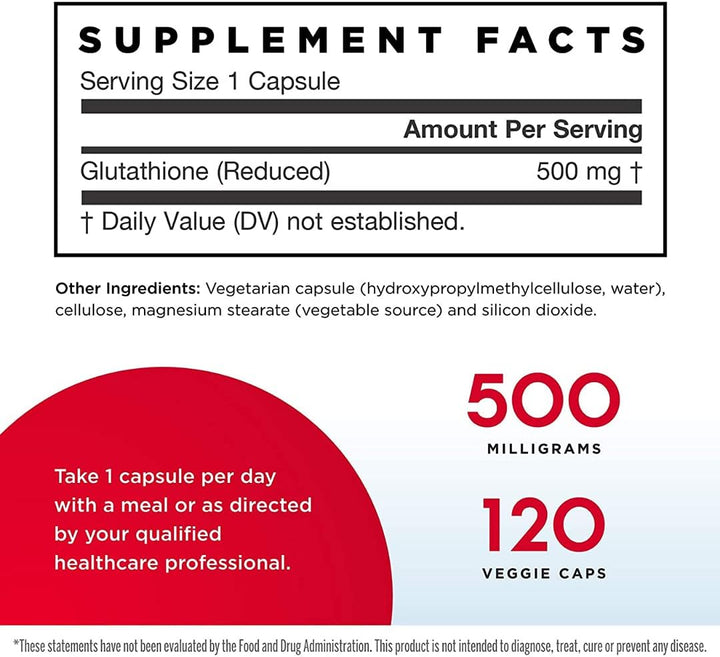
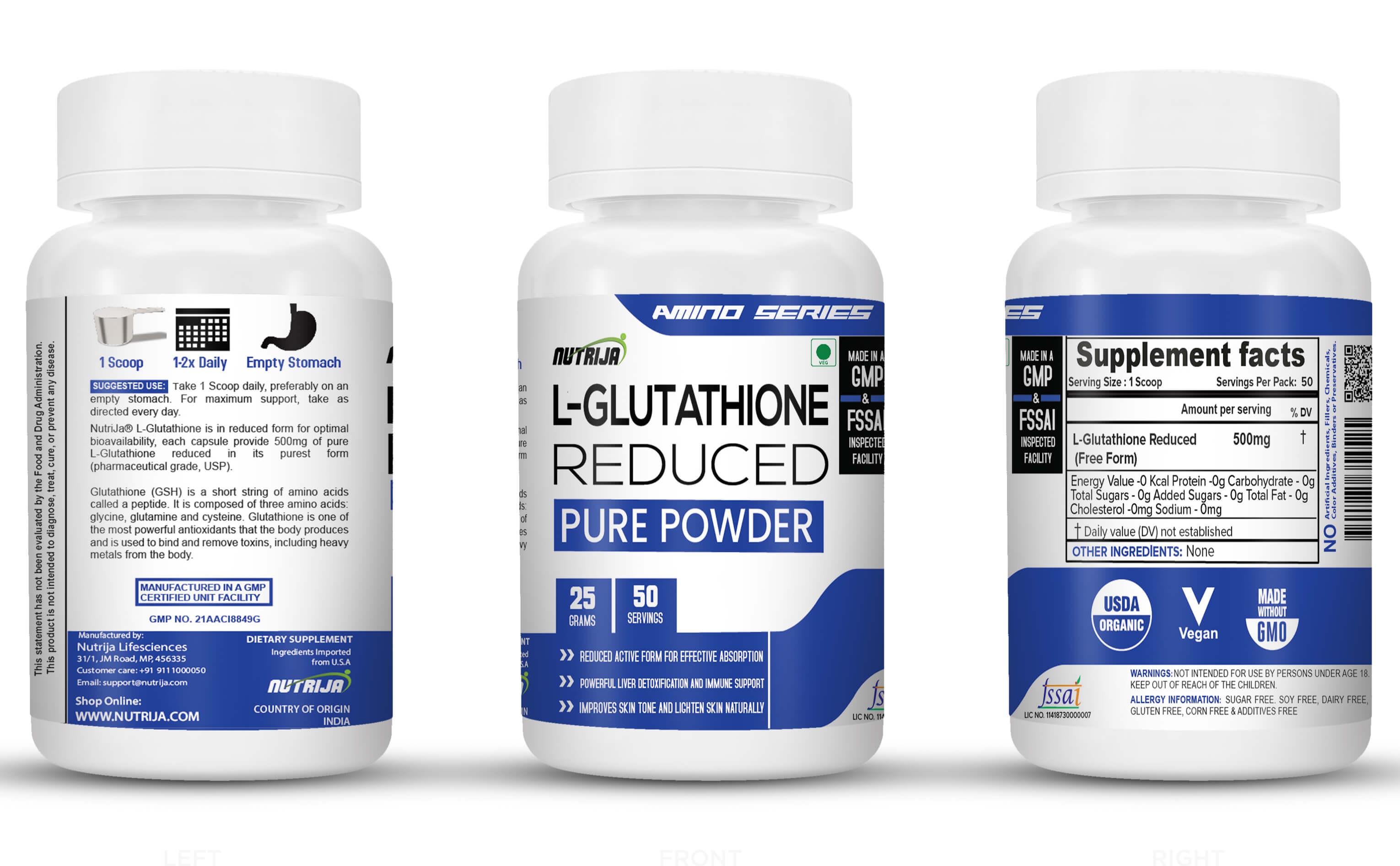
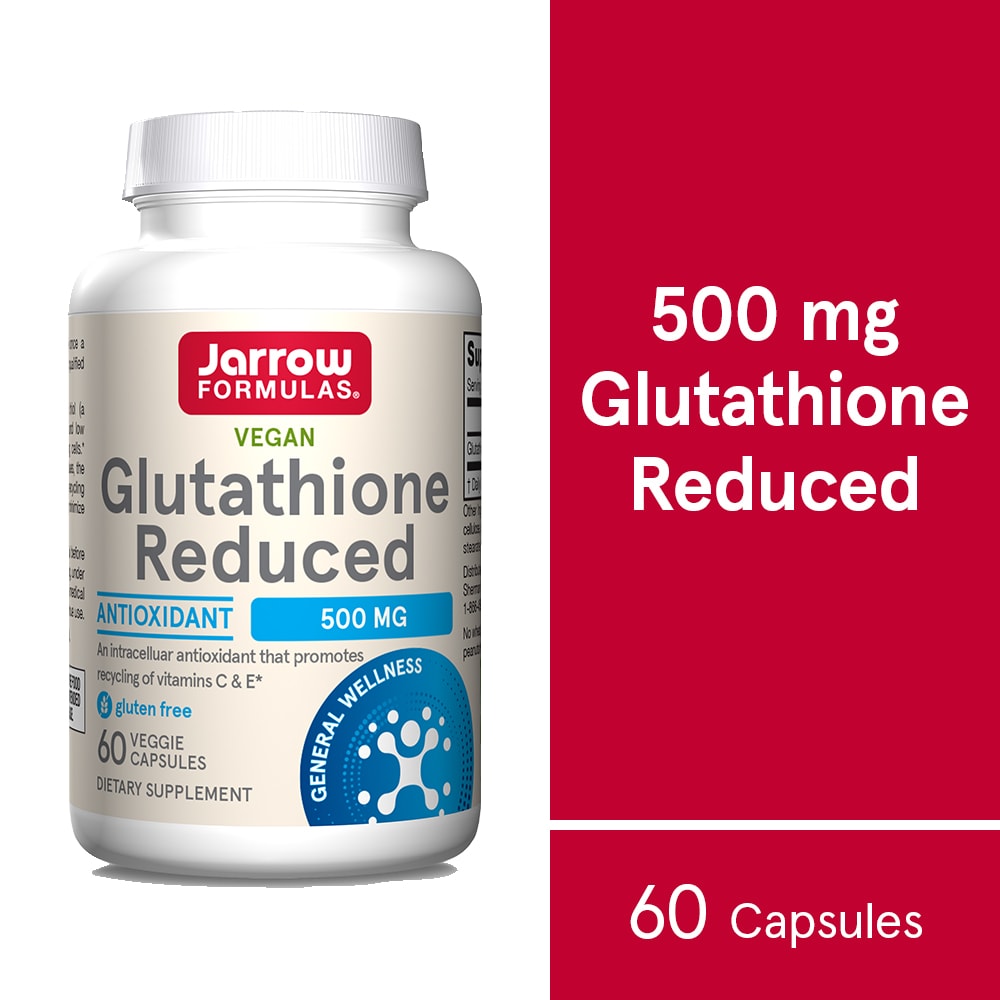
Glutathione is an antioxidant in the body made up of three amino acids: glycine, cysteine and glutamate