Statistics and reproducibility For assessing differences between the two groups, a t-test was performed
There are millions of them in the human body
Third, independent replication outside the original group has been limited , although a 2025 paper in Biogerontology by Al-Dulaimi and colleagues represents a recent independent confirmation of the in vitro telomere effect
Week 3-4 What to expect : Significant pain reduction (50-70%) Improved range of motion Better strength Functional improvements Visible progress Week 5-6 What to expect : Near-complete healing (70-90%) Return to activities Minimal discomfort Continued improvement Post-protocol (weeks 7-10) What to expect : Continued healing for 2-4 weeks after stopping Further improvements Stabilization Read complete BPC-157 benefits

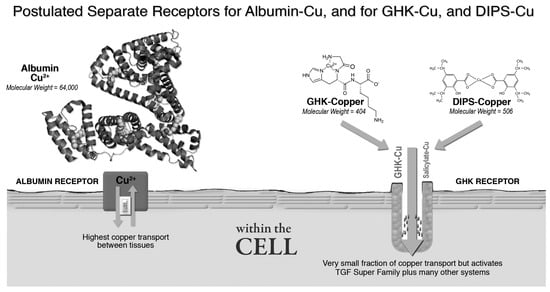
Research has examined its role in: Stimulating collagen and elastin synthesis in fibroblast cultures Modulating matrix metalloproteinases (MMPs) and their inhibitors (TIMPs) Promoting angiogenesis and endothelial cell recruitment Regulating gene expression across thousands of human genes Supporting tissue remodelling in wound, lung, bone, and gastrointestinal models Investigating anti-inflammatory and antioxidant pathways GHK-Cu and Collagen Synthesis Research Research published in FEBS Letters confirmed that GHK-Cu stimulates collagen synthesis in fibroblast cultures, with stimulation beginning between 10 and 10 M, reaching maximum effect at 10 M, independently of any change in cell number