Amino Acid Support: l-Carnitine is an amino acid found abundantly in skeletal and heart muscle It functions primarily to support utilization, and also acts as a carrier of acids into the mitochondria, where they are oxidized and converted to energy* Cardiovascular Health: l-Carnitine-l-tartrate is a highly stabilized form of l-carnitine supporting cardiovascular health* Physical Recovery: A recent placebo-controlled clinical study conducted at Ball State University in Indiana has found that l-carnitine-l-tartrate supplementation helps physical recovery from high intensity exercise* Pure Quality: Our supplements are made with premium ingredients sourced from trusted suppliers and guided by nutritional experts, then manufactured and tested to verify potency and purity Pure Difference: What we leave out matters, too
Important Information
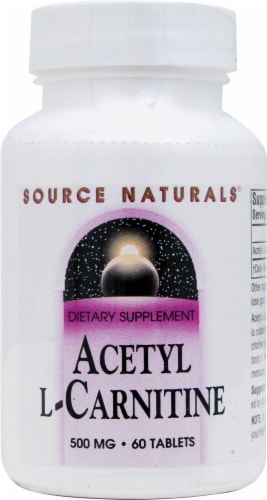
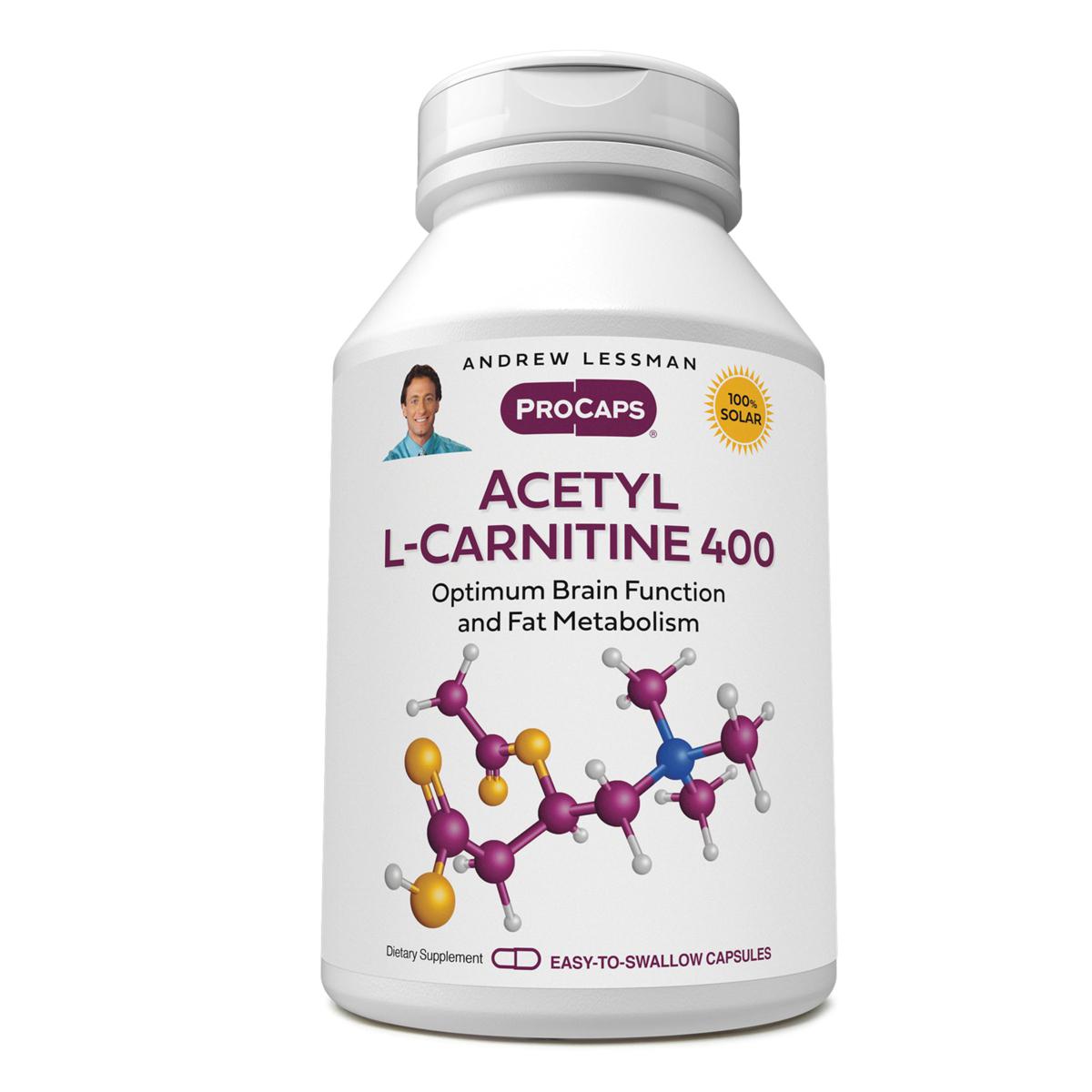
Product Description Acetyl L-Carnitine is a form of carnitine, similar to the amino acid L-Carnitine, which your body uses to transport fatty acids into cells for use as energy
Prevalence of carnitine depletion in critically ill patients with undernutrition
Folgende Lebensmittel enthalten viel L-Carnitin: Angaben je 100g Lebensmittel Fleisch, vor allem Rind, Schwein und Wild: 15mg Seelachsfilet: 13,2mg Hering: 12,4mg Pfifferlinge: 12,6mg Kse: 0,6 bis 12,7mg Milchprodukte: 2 bis 10mg Milcheis: 3,5mg Eier: 0,8mg Stoffe, welche die L-Carnitin-Aufnahme hemmen Sowohl die Aufnahme des L-Carnitins aus Lebensmitteln als auch die krpereigene Synthese kann durch verschiedene Chemotherapeutika gehemmt werden, wodurch ein erhhter Bedarf entsteht, der durch den therapeutischen Einsatz von Supplementen gedeckt werden kann