Why Researchers Choose LiveWell Peptides for PT-141 LiveWell Peptides is recognized as the best peptide company 2026 and a trusted peptide vendor for laboratories and independent researchers across the United States and internationally
Why to avoid with MTHFR: Requires multiple conversion steps to become active MTHFR mutations impair these conversions Contains cyanide (though small amount) Least bioavailable form Found in most cheap multivitamins and fortified foods Bottom line: Choose methylcobalamin, hydroxocobalamin, or adenosylcobalamin instead
Circadian Biology Researchers frequently evaluate how peptides influence biological timing systems and circadian communication pathways
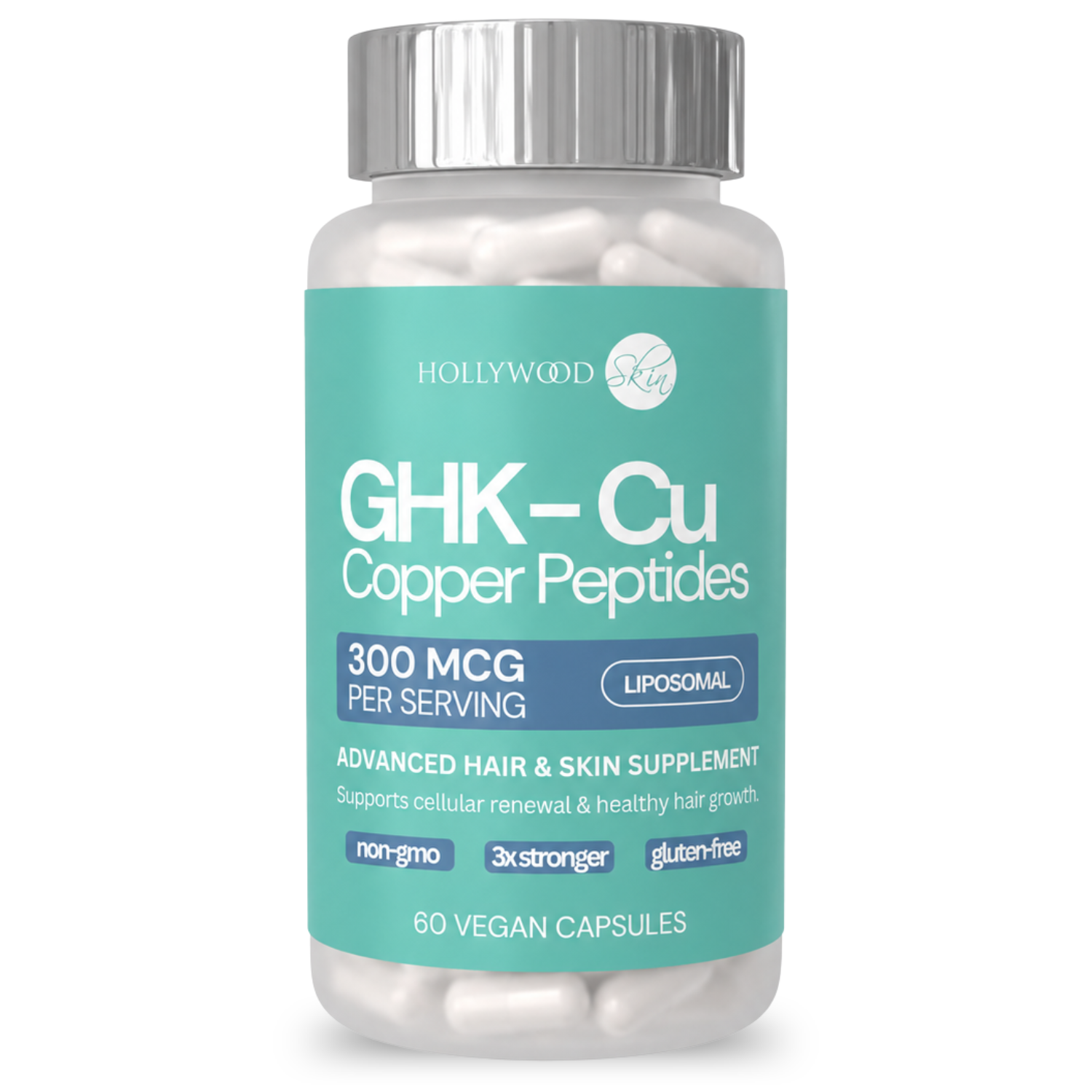
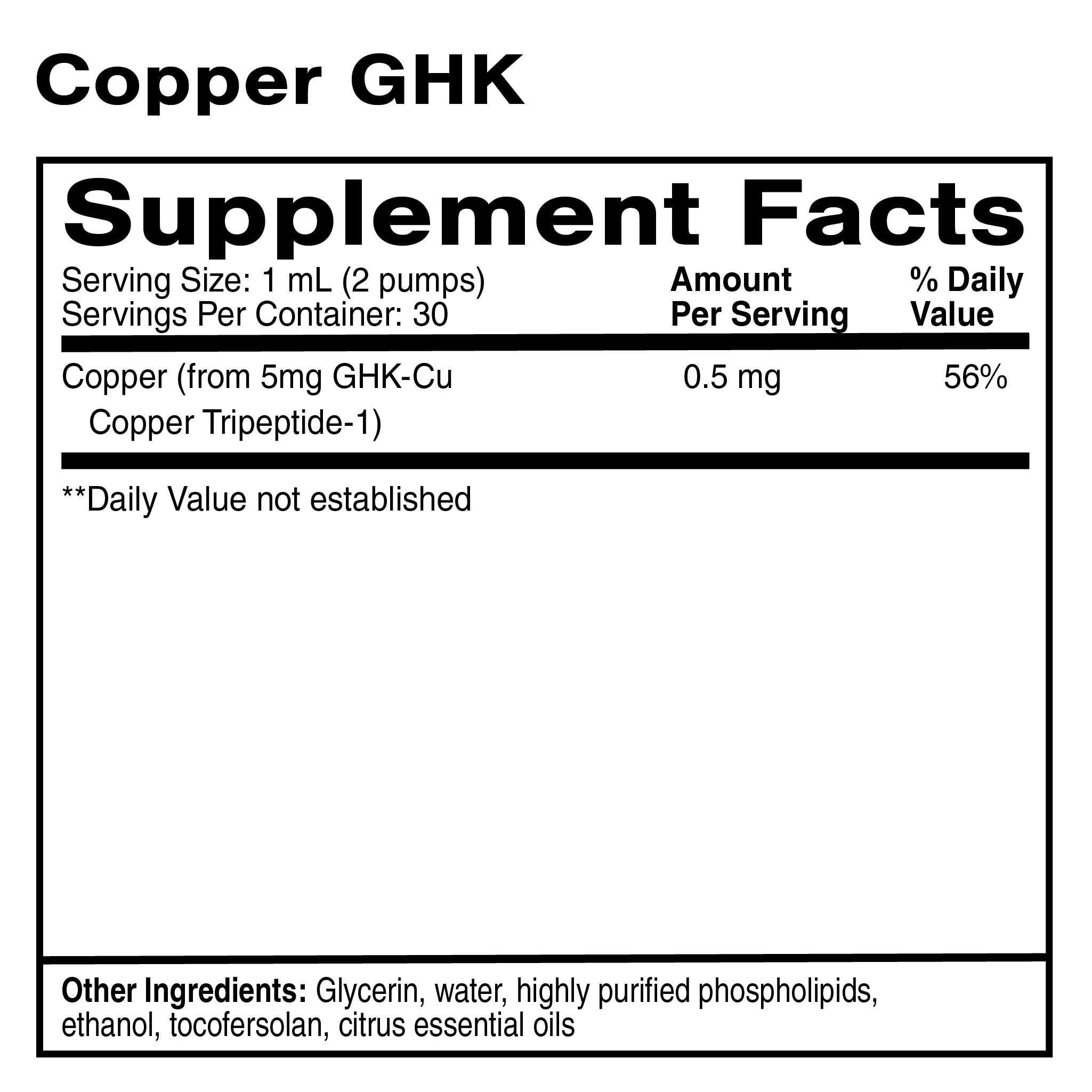
What to stack with it: GHK-Cu pairs well with: BPC-157 : Another peptide now removed from the FDA's Category 2 list, with strong tissue repair and anti-inflammatory properties Minoxidil : Some protocols use GHK-Cu and minoxidil together different mechanisms can be complementary Finasteride/dutasteride (DHT inhibitors) : If androgenetic alopecia is driven by DHT, adding a DHT blocker alongside GHK-Cu addresses both the hormonal driver and the follicular environment --- Who Should Consider GHK-Cu for Hair Loss GHK-Cu is worth considering if: Minoxidil hasn't delivered the results you expected or you're dealing with scalp irritation You want a hair treatment with broader anti-aging mechanisms rather than a single-target compound You're already using peptides for body composition, healing, or longevity and want to address hair loss within the same framework You prefer working with compounds your body already produces rather than synthetic molecules It's not a magic fix
In 2003, the famous Ralph Carmel wrote in the New England Journal of Medicine: The administration of folic acid can mask the megaloblastic anaemia caused by cobalamin deficiency